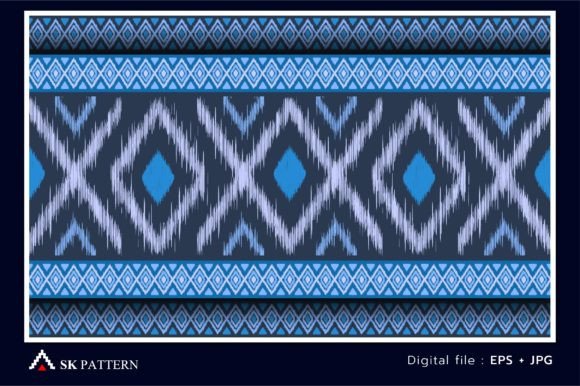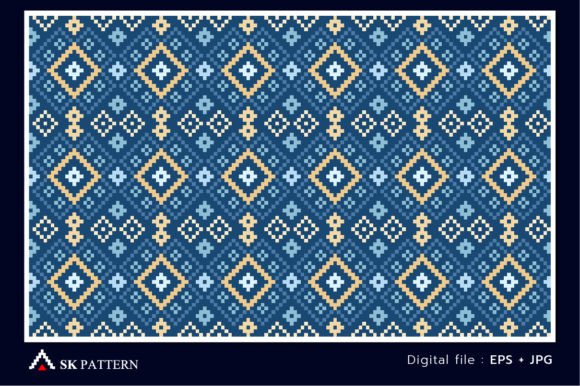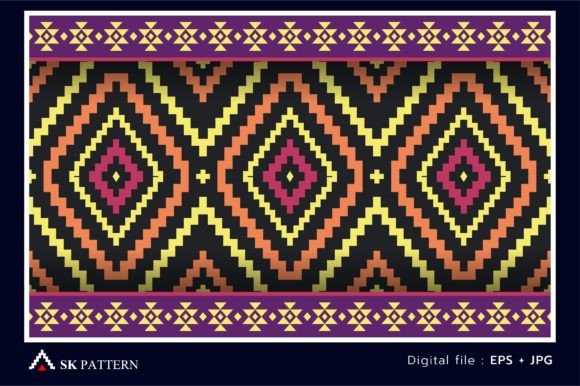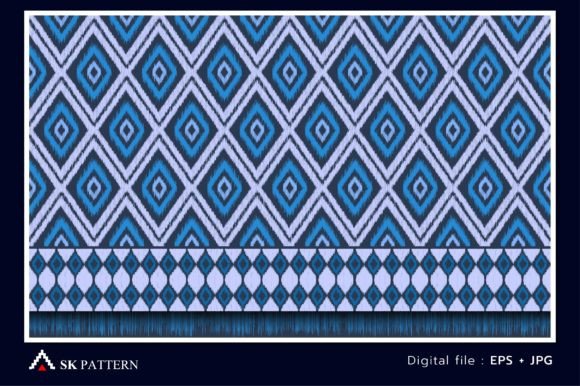
Pattern Ethnic Embroidery Vector Design
As an embroidery designer and product reviewer, I’ve seen my fair share of digital designs. But when I came across the Pattern Ethnic Embroidery Vector Design, I knew it had potential. This design isn’t just another generic pattern—it carries a distinct cultural flair that can elevate a wide range of projects. Let me walk through how it performs in real-life use and what to consider before incorporating it into your work.
The First Impression: A Design with Character
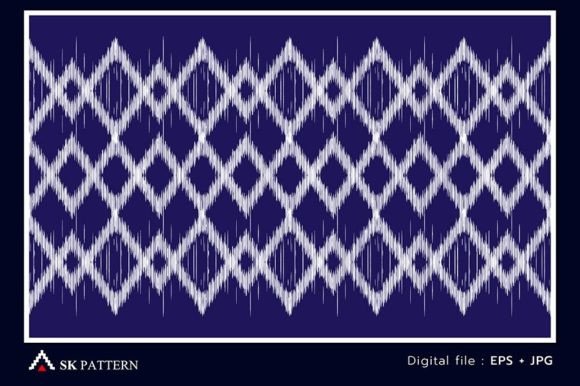
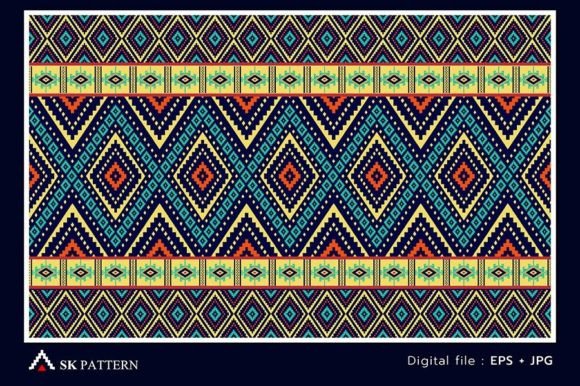
The Pattern Ethnic Embroidery Vector Design immediately caught my eye with its intricate detailing and rich visual personality. The motifs are reminiscent of traditional textile art, blending geometric shapes with flowing lines that suggest a deep cultural heritage. It’s not overly complex, but it has enough detail to feel meaningful without being overwhelming.
The layout is balanced, making it versatile for different applications. Whether you’re looking to create wall art or a personalized gift, this design feels like it belongs in a handmade space. It’s ideal for projects that aim to evoke warmth, tradition, or a sense of craftsmanship.
Real-World Use: From Tote Bags to Holiday Gifts
I tested the Pattern Ethnic Embroidery Vector Design on a custom tote bag, which is a common project for Etsy sellers and craft businesses. The design translated well onto cotton fabric, with clear stitch lines and a smooth finish. The satin stitches were even, and the fill areas didn’t show any visible gaps or inconsistencies.
It also worked well on a sweatshirt, where the design added a subtle yet elegant touch. For baby items, such as a onesie or a blanket, the design felt appropriate—soft, non-intrusive, and visually appealing. The level of detail was sufficient to make the finished product stand out without being too busy.
One thing to note is that the design doesn’t require heavy stitching. Its moderate stitch density makes it suitable for lightweight fabrics and smaller hoop sizes, which is a big plus for those working on tight deadlines or limited equipment.
Where to Be Careful: Design Limitations
While the Pattern Ethnic Embroidery Vector Design is versatile, there are some scenarios where it might not perform as well. If you're planning to use it on a cap or a curved surface, you may need to adjust the design slightly. The corners and edges can become distorted if not properly adapted for circular or contoured areas.
Thin or stretchy fabrics could also be a challenge. The design requires a good stabilizer to prevent puckering or distortion. On dark fabrics, the thread color contrast is important—light-colored threads may not show up as clearly as they would on a white background.
If you’re working on a layered garment or something with multiple fabric layers, the design might not hold up as well. It’s best suited for single-layer projects where the embroidery can sit flat and smooth.
Visual Appeal and Customer Perception
The Pattern Ethnic Embroidery Vector Design adds a unique aesthetic to any project. It’s the kind of design that can catch a customer’s eye in a crowded marketplace. When used on a handmade product, it enhances the perceived value and tells a story that resonates with buyers looking for authenticity.
For commercial embroidery projects, this design can help establish a consistent brand identity. It’s perfect for boutique products or small shop merchandise that aims to stand out. The design’s cultural elements can also make it a great choice for holiday or wedding gifts, where personalization and meaning matter.
From a buyer engagement standpoint, the design offers a balance between simplicity and sophistication. It’s not so bold that it overwhelms, but it’s detailed enough to feel special. This makes it a strong candidate for printable mockups and digital product previews, where visual impact is key.
Practical Designer Notes
Before finalizing any project with the Pattern Ethnic Embroidery Vector Design, I recommend testing it on scrap fabric first. This will help you understand how the stitches behave on your specific material and whether the design needs any adjustments.
Check the thread color contrast carefully. What looks good on a screen may not translate well to fabric. Also, review the stitch density—too much or too little can affect the overall look and durability of the finished product.
Confirm the hoop size required for the design. If it’s too large for your machine, you may need to split it or adjust the layout. Inspect small details closely, especially if you’re using it for personalized gifts or custom apparel where precision matters.
Test the design in black and white mockups to see how it looks without color. Compare it on light and dark fabric backgrounds to ensure it remains visible and effective. Always use the right stabilizer for the fabric type, and double-check that the design is suitable for both personal and commercial use.
Lastly, make sure to confirm the licensing terms before selling finished items or digital products. Even though the design seems ready to go, it’s always better to verify that you have the rights to use it in your specific context.
Final Thoughts: A Design Worth Considering
The Pattern Ethnic Embroidery Vector Design is a solid choice for embroidery designers, small business owners, and crafters looking for a versatile and culturally inspired design. It works well across a variety of projects, from custom apparel to holiday gifts, and adds a level of authenticity that can enhance the appeal of any handmade product.
With proper preparation and attention to detail, this design can become a valuable asset in your creative toolkit. Whether you’re an Etsy seller, a craft fair vendor, or a digital product creator, the Pattern Ethnic Embroidery Vector Design offers practical value and artistic potential.