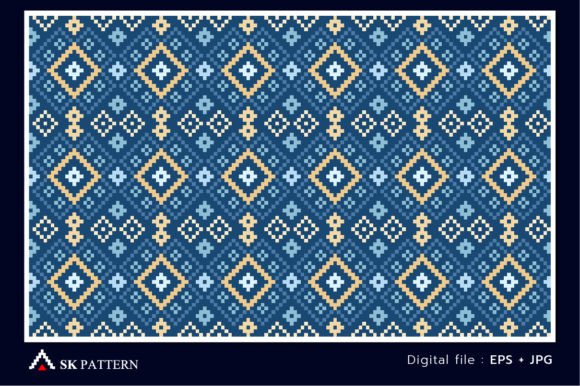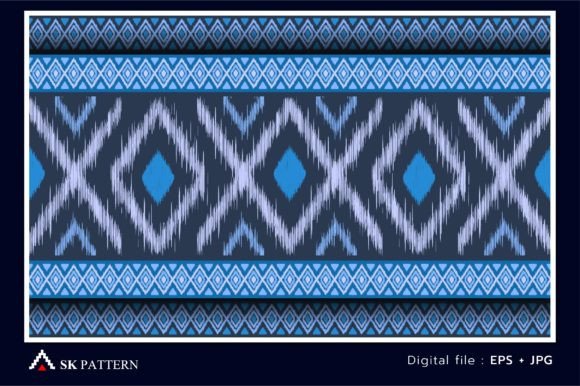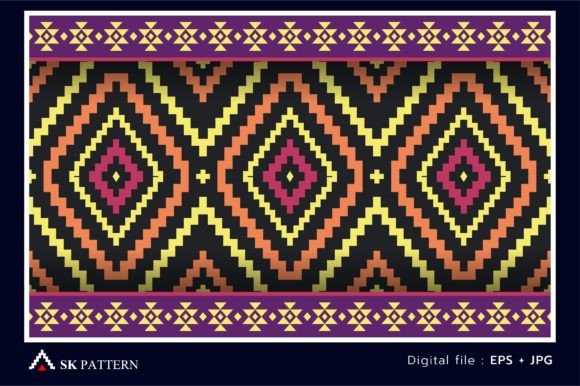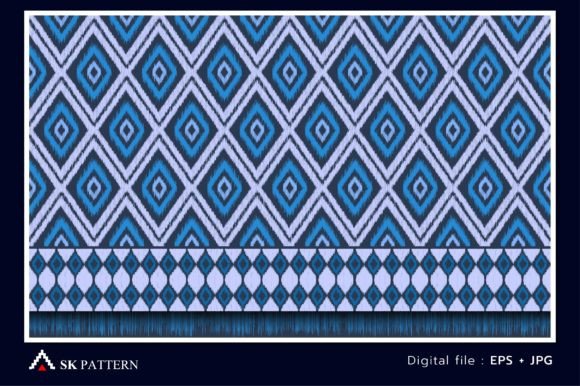
Ethnic Embroidery
As a designer and embroidery product reviewer, I often find myself evaluating machine embroidery designs with a critical eye. Ethnic Embroidery is one that stands out for its rich cultural motifs and versatile application. It’s not just a pretty design—it’s a statement piece that can elevate a wide range of projects, from handmade products to commercial embroidery work.
The First Impression: A Cultural Statement in Thread
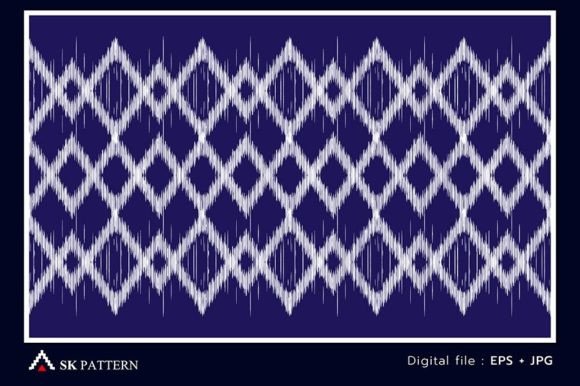
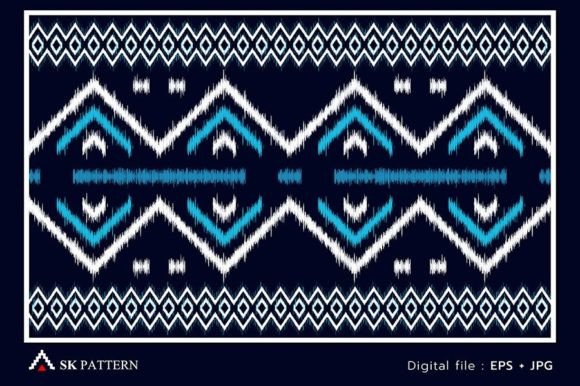
When I first laid eyes on Ethnic Embroidery, I was struck by its intricate patterns and the way it balances complexity with clarity. The design feels like it comes from a specific cultural heritage, with motifs that suggest traditional craftsmanship. The layout is well-structured, making it easy to adapt to different project sizes and formats.
The visual personality of Ethnic Embroidery is warm and inviting. It has a sense of authenticity that makes it ideal for wall art, decorative pillows, and even personalized gifts. The level of detail is high enough to make an impact but not so dense that it becomes overwhelming. It’s a design that feels right at home in both modern and rustic settings.
Real-Life Use: From Tote Bags to Baby Items
I recently used Ethnic Embroidery on a custom tote bag design for a client who wanted something unique for their boutique. The design translated well to fabric, and the stitch density was just right for a casual yet stylish look. It added a touch of elegance without being too flashy, which made it perfect for everyday use.
Another time, I tested it on a baby onesie. The design worked surprisingly well—its bold lines and clear shapes made it easy to read, even on a small garment. It also held up well when washed, which is a big plus for parents looking for durable, handmade products.
For a holiday gift, I applied Ethnic Embroidery to a sweatshirt. The design looked great on a dark fabric, and the thread colors contrasted nicely. It gave the finished product a professional feel, which is essential for any Etsy seller or small shop owner looking to stand out in a crowded market.
Where to Use With Caution
While Ethnic Embroidery is versatile, there are some situations where it might not be the best fit. On small hoop sizes, the design can feel cramped, especially if the details are too fine. It’s also important to consider fabric texture—if the material is too rough or stretchy, the stitches may not lay flat as intended.
On thin or dark fabrics, the design might not show up as clearly as it could. If you’re working with layered garments or curved surfaces like caps, you’ll need to adjust your stitching technique to avoid distortion. Tiny lettering or detailed corners could be problematic if the design isn’t optimized for those areas.
Impact on Visual Appeal and Customer Perception
Ethnic Embroidery adds a lot of visual interest to any project. Its cultural flair can make a handmade product stand out, which is crucial for building brand consistency and customer trust. When customers see a design like this, they often associate it with quality and care—key factors in the handmade and craft business world.
It also enhances the value of a finished product. Whether it’s a custom apparel item, a decorative pillow, or a personalized gift, Ethnic Embroidery brings a level of sophistication that can justify a higher price point. It’s a design that speaks to buyers who appreciate unique, meaningful pieces.
From a marketing perspective, it’s a strong asset for any digital product seller or craft business. The design can be used in printable mockups, social media posts, and Etsy listings to showcase the final product before it’s stitched. This helps potential buyers visualize the end result and increases engagement.
Practical Designer Notes
Before using Ethnic Embroidery in any project, I always recommend testing it on scrap fabric. This helps you see how the design looks in real life and whether it works with your chosen materials. Checking thread color contrast is also essential—especially if you’re using it on dark or light backgrounds.
Reviewing the stitch density is another key step. If the design is too dense, it might cause puckering or strain on the fabric. Confirming the correct hoop size is important too, as some designs may require a larger space to stitch properly.
Inspecting small details is crucial. Even the most beautiful design can fall apart if the corners or edges aren’t clean. Testing the design in black and white mockups can help you see how it will look on different fabrics, and comparing it on light and dark backgrounds ensures it remains visible and appealing.
Using the right stabilizer is also important, especially for delicate or stretchy fabrics. And if you’re planning to sell finished items or digital products, always confirm the licensing terms before proceeding. This protects you and ensures your work is legally sound.
Final Thoughts: A Design That Speaks Volumes
Ethnic Embroidery is more than just a pattern—it’s a design that carries meaning and versatility. It’s perfect for anyone looking to add a touch of culture and craftsmanship to their handmade products, custom apparel, or commercial embroidery projects.
Whether you’re an Etsy seller, a small shop owner, or a creative entrepreneur, this design offers a lot of potential. Just remember to test it thoroughly, consider the fabric and stitch requirements, and always keep the end user in mind. With the right approach, Ethnic Embroidery can become a valuable addition to your design assets and a hit with your customers.