Embroidery and Knitter Vector Pattern
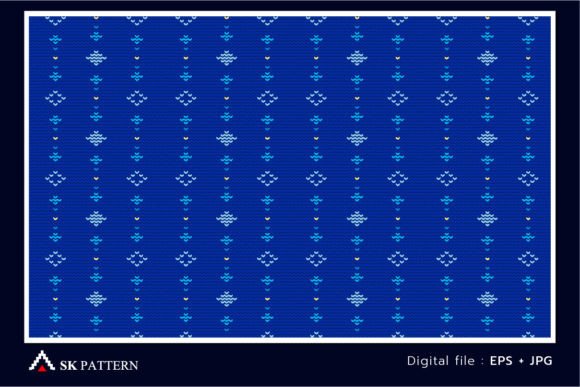
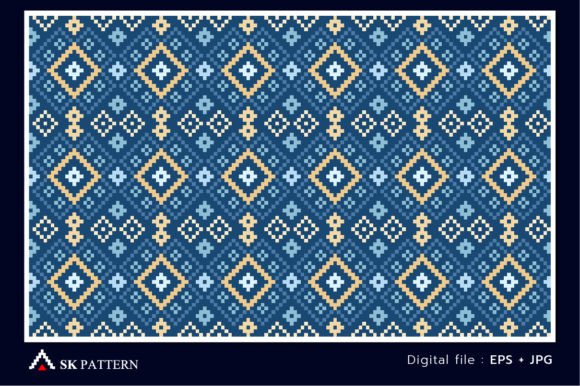
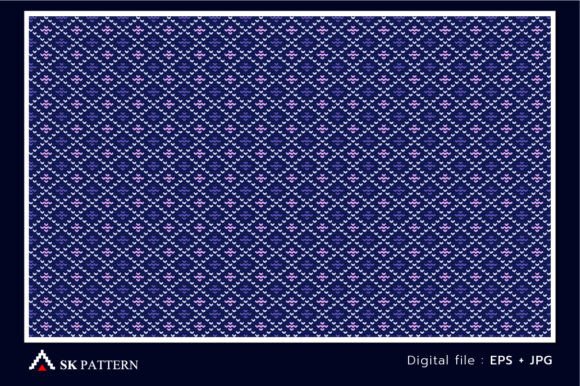
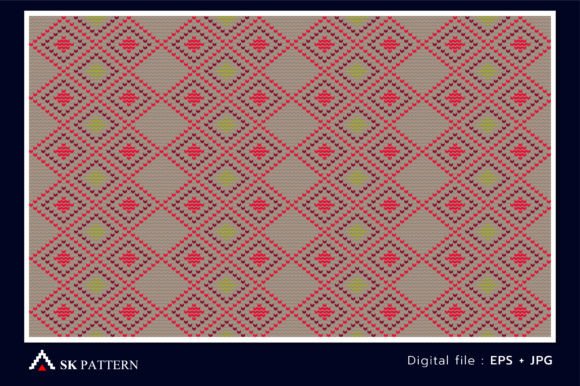
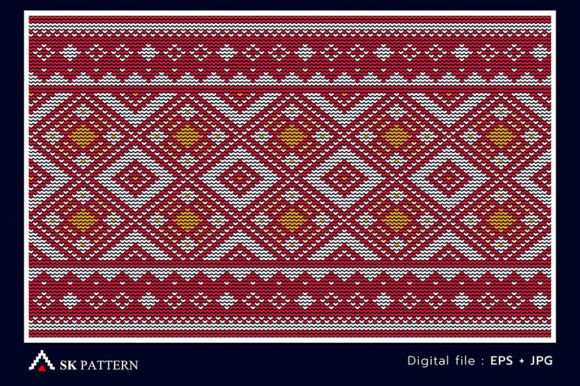
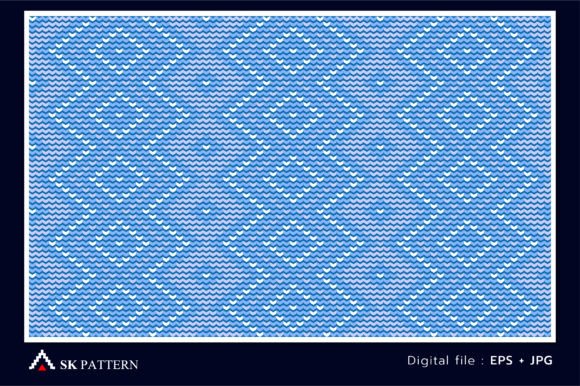
The Embroidery and Knitter Vector Pattern offers a bold, geometric aesthetic that blends traditional Aztec motifs with modern design sensibilities. As an embroidery designer, I immediately noticed the seamless repetition of the diagonal pattern, which suggests versatility for both home decor and wearable items. The design exudes a sense of warmth and craftsmanship, making it ideal for seasonal and holiday product use.
First Impressions: Seasonal Mood and Decorative Style
From the first glance, the Embroidery and Knitter Vector Pattern feels like a celebration of texture and structure. The geometric elements evoke a sense of nostalgia while maintaining a contemporary edge. This duality makes it perfect for creating handmade gifts that feel both timeless and fresh. Whether used on wall art or throw blankets, the pattern adds a touch of elegance without overwhelming the space.
The level of detail is impressive, with clean lines and consistent spacing that suggest high-quality machine embroidery design. The pattern’s symmetry and balance make it suitable for a wide range of applications, from baby items to family matching pieces. Its visual appeal is enhanced by the contrast between the knitted background and the embroidered elements, creating depth and interest.
Real-World Applications in Holiday Selling
As an Etsy seller, I can see how the Embroidery and Knitter Vector Pattern would perform well in gift bundles and seasonal listings. It works beautifully on sweatshirt embroidery and tote bag design, offering a unique twist on classic holiday themes. The pattern also lends itself well to kitchen towel embroidery and pillow cover designs, where its boldness can be showcased effectively.
For craft fair displays, the design stands out as a statement piece. Its repeat nature allows for creative placement on aprons, table linens, and even embroidered patches. When used in limited edition apparel, it adds a premium feel that appeals to customers looking for one-of-a-kind personalized gifts.
Considerations for Careful Use
While the Embroidery and Knitter Vector Pattern is visually striking, there are certain scenarios where caution is advised. Small hoop sizes may struggle to accommodate the full scale of the design, especially if the pattern includes intricate details. Tiny lettering could be lost in the complexity of the pattern, so it’s important to test at different scales before finalizing any project.
On thick towels or dark fabric, the stitch density may need adjustment to ensure visibility and durability. Metallic thread could add a luxurious touch but may require special handling to prevent fraying. Stretchy garments and curved caps present additional challenges, requiring careful planning to maintain the integrity of the design.
Impact on Seasonal Appeal and Customer Emotion
The Embroidery and Knitter Vector Pattern enhances the seasonal appeal of any product it’s applied to. Its strong visual presence helps create a sense of occasion, making it ideal for holiday shopping periods. Customers are more likely to connect emotionally with products that feel crafted and meaningful, which this design delivers through its attention to detail and decorative style.
As a small shop product, the pattern boosts the perceived value of finished items, making them more attractive to buyers seeking quality handmade gifts. It also supports brand consistency, allowing for cohesive seasonal collections that resonate with target audiences. The design’s versatility ensures it remains relevant across multiple product categories, from ornaments to wall art.
Practical Designer Notes for Success
Before using the Embroidery and Knitter Vector Pattern, I recommend testing thread colors on both light and dark fabric to ensure the desired effect. Check the stitch density to avoid overcrowding or gaps, especially on items that will undergo repeated washing. Confirm the hoop size required for your machine to ensure compatibility with your workflow.
Using the proper stabilizer is crucial for maintaining the design’s shape and preventing distortion. Create realistic mockups to visualize how the pattern will look on different fabrics and products. Review small details after stitching to catch any imperfections early. Plan matching color palettes to maintain a cohesive look across all seasonal items.
Finally, always confirm commercial licensing before selling finished products, especially if you’re an Etsy seller or working on a digital embroidery file for clients. Ensuring legal compliance protects both you and your customers, building trust and long-term engagement.