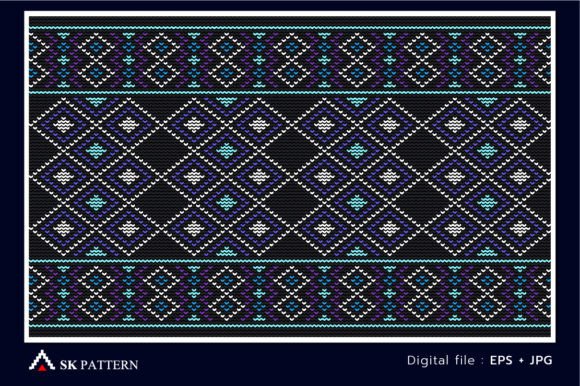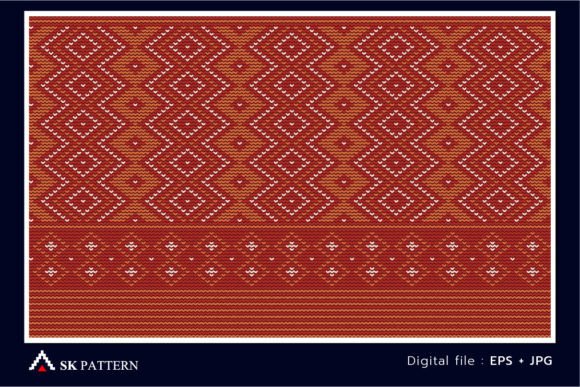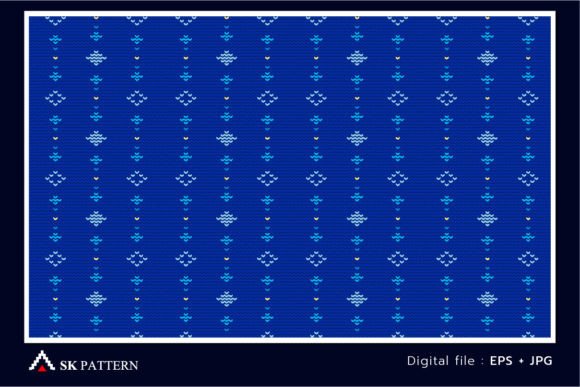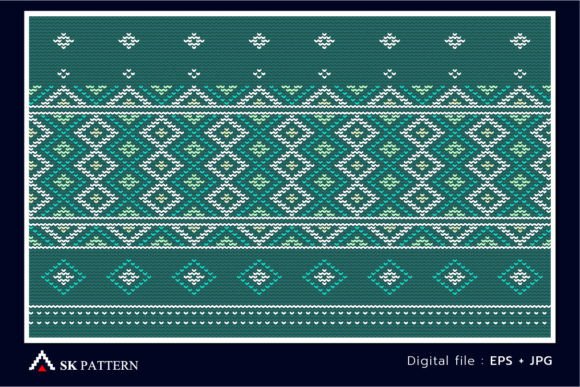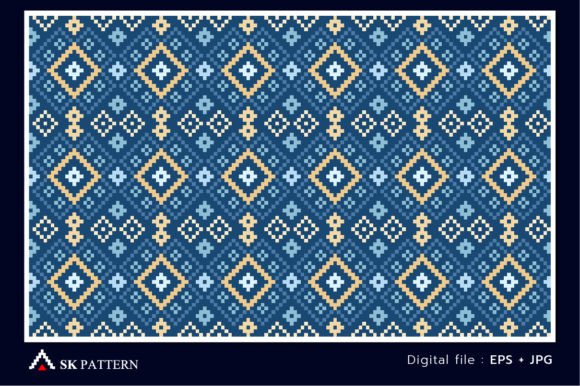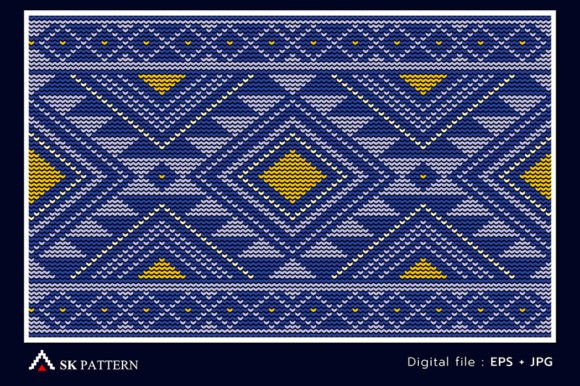
Blue and Orange Embroidery Pattern
The Blue and Orange Embroidery Pattern offers a bold and vibrant visual that can elevate small business merch, branded patches, and custom apparel. With its knit decorative background and vector Aztec elements, this design brings a vintage yet modern feel that could work well for creative studios, handmade shops, and Etsy sellers looking to add unique flair to their product lines.
First Impressions: A Bold and Vintage-Inspired Design
This pattern exudes a sense of handcraft and endless creativity. The combination of blue and orange creates a striking contrast that is both eye-catching and versatile. The Aztec elements suggest a cultural or artisanal influence, while the knit texture adds a tactile, handmade quality. This makes it ideal for businesses aiming to convey a rustic, premium, or playful brand identity.
As an embroidery designer, I find the pattern visually engaging and suitable for a range of applications. It feels professional enough for corporate merchandise but also has the charm of a handmade product, making it a good fit for boutique brands, local businesses, and crafters who want to offer something unique.
Real Business Use: Versatility in Custom Apparel and Merch
The Blue and Orange Embroidery Pattern can be used in various ways for small business merch. As an embroidered patch, it adds a distinctive touch to jackets, bags, and caps. For staff uniforms or aprons, it serves as a subtle yet memorable brand identity element. In tote bag designs, it can act as a central graphic that draws attention and reinforces brand presence.
When used on caps or work shirts, the pattern’s size and detail must be considered. It may not be ideal for very small patch sizes or curved surfaces where intricate details can get lost. However, when scaled appropriately, it works well as a chest logo or sleeve accent, adding visual interest without overwhelming the garment.
This design also has potential for product packaging accents, customer gifts, and event merch. Its vintage aesthetic aligns well with handmade products and artisanal branding, making it a strong choice for Etsy sellers and craft businesses looking to maintain a cohesive look across all materials.
Where to Use with Caution: Limitations and Considerations
While the Blue and Orange Embroidery Pattern is visually appealing, there are certain scenarios where it may not perform optimally. On small patch sizes, the intricate Aztec elements may become too dense, leading to a cluttered appearance. Similarly, on cap fronts or curved surfaces, the design might not translate well due to the complexity of the outlines and spacing.
High stitch density can be an issue, especially if the design includes detailed textures or multiple layers. This may affect the durability and comfort of the finished product, particularly on items like aprons or tote bags that see frequent use. Additionally, on dark uniforms or textured fabrics, the thread colors may not stand out as intended, reducing the overall impact of the design.
For businesses planning to use this pattern on items that require frequent washing, it’s important to test the design on different fabric types and ensure proper stabilizer use. This helps prevent distortion and maintains the integrity of the embroidery over time.
Impact on Brand Identity and Customer Engagement
A well-chosen embroidery design plays a crucial role in shaping brand identity. The Blue and Orange Embroidery Pattern can help small businesses establish a recognizable visual presence, especially when used consistently across merchandise, packaging, and promotional materials. Its vintage and handmade qualities can enhance customer trust and create a sense of authenticity.
From a marketing perspective, this pattern can increase product value by offering a unique, high-quality look that stands out from generic designs. When used on custom apparel or branded patches, it reinforces professionalism and attention to detail, which are key factors in building a loyal customer base.
For handmade brands and craft businesses, the pattern supports a consistent visual language that aligns with their values. It also provides a strong foundation for printable mockups and digital embroidery files, allowing for easy integration into client presentations and marketing campaigns.
Practical Tips for Embroidery Designers
Before finalizing the Blue and Orange Embroidery Pattern for commercial use, there are several steps every embroidery designer should take. First, test the design in black and white to assess how the shapes and spacing hold up without color. This helps identify any issues with stitch density or outline clarity.
Next, check how the pattern looks at small patch sizes. If the details are too fine, consider simplifying the design or adjusting the scale. Reviewing thread color contrast is also essential—especially if the design will be applied to dark uniforms or textured fabrics.
Ensure the hoop size is appropriate for the design’s dimensions and that the fabric type is compatible with the embroidery process. Using the right stabilizer can prevent puckering and maintain the design’s integrity. Creating a mockup for client approval is always recommended to ensure the finished product meets expectations.
Finally, compare the Blue and Orange Embroidery Pattern with other design assets to ensure visual consistency across all branding materials. Confirming commercial licensing before production is crucial to avoid any legal issues down the line.
Conclusion: A Strong Choice for Creative Businesses
The Blue and Orange Embroidery Pattern offers a dynamic blend of style and functionality, making it a valuable addition to any small business’s design arsenal. Whether used for embroidered patches, custom apparel, or branded merchandise, it brings a unique visual identity that can enhance brand recognition and customer engagement.
With careful consideration of scale, fabric compatibility, and design adjustments, this pattern can serve as a powerful tool for embroidery shops, handmade brands, and craft businesses looking to stand out in a competitive market.